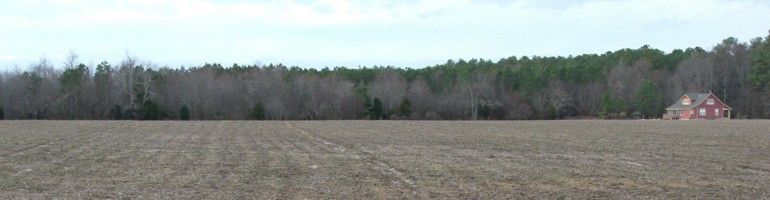
There was a shortage of hunting ammunition down here on the farm. I hunted. Daddy hunted. We had quail, rabbit, squirrel, duck – all of it, but you had to be very careful, you had just a very little bit of ammunition. I mean, you prized a handful of ammunition. It was to be watched and taken care of.
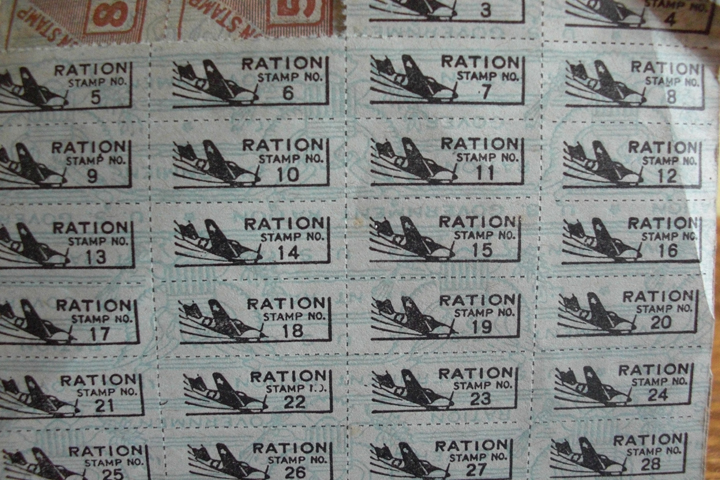
WWII ration book (courtesy of Taylor family)
During the war, we had … stamp books. We were allotted so many stamps for certain things during the war. The books that I can remember, they [were for] … coffee, sugar, cigarettes, beef, tires, gas …
There were no cars available whatsoever during the war. Most of them had been froze on the first day of the war … by Roosevelt, the President, and daddy was lucky enough to find one new car in the middle of a war, and he had to go through an Act of Congress in Accomack to get a permit to get that car. He hunted from Cape Charles to Philadelphia up in a storage house on the fourth or fifth floor to get one old Chevrolet – it wasn’t old, it was a brand new one – but to get a Chevrolet automobile. I think that must have been the last one on the East Coast. But he got it anyway, and we were fortunate in that respect, because our automobile was getting worn down.
From an interview with Pierce B. Taylor, Jr., summer 2010.



 Eastern Shore Stories
I enjoy these old stories. They’re like snapshots of a different time. Imagine asking Americans today to ration anything? You should look at some old Life magazines from the forties, every ad and article is about recycling and thrift! Talk about culture shift!
Maybe thrift is making a comeback – look at all the publications that talk about simplicity and downsizing. Glad you’re enjoying the stories.
Thank you, Lee.
I was poking around on the ESPL website and stumbled on the Eastern Shore stories. Are the oral stories online?
You mean the oral recordings? Not yet; they’ll be available through the ESPL Heritage Center and Shore History (the ESVA Historical Society), along with transcripts. I’ll keep you posted.